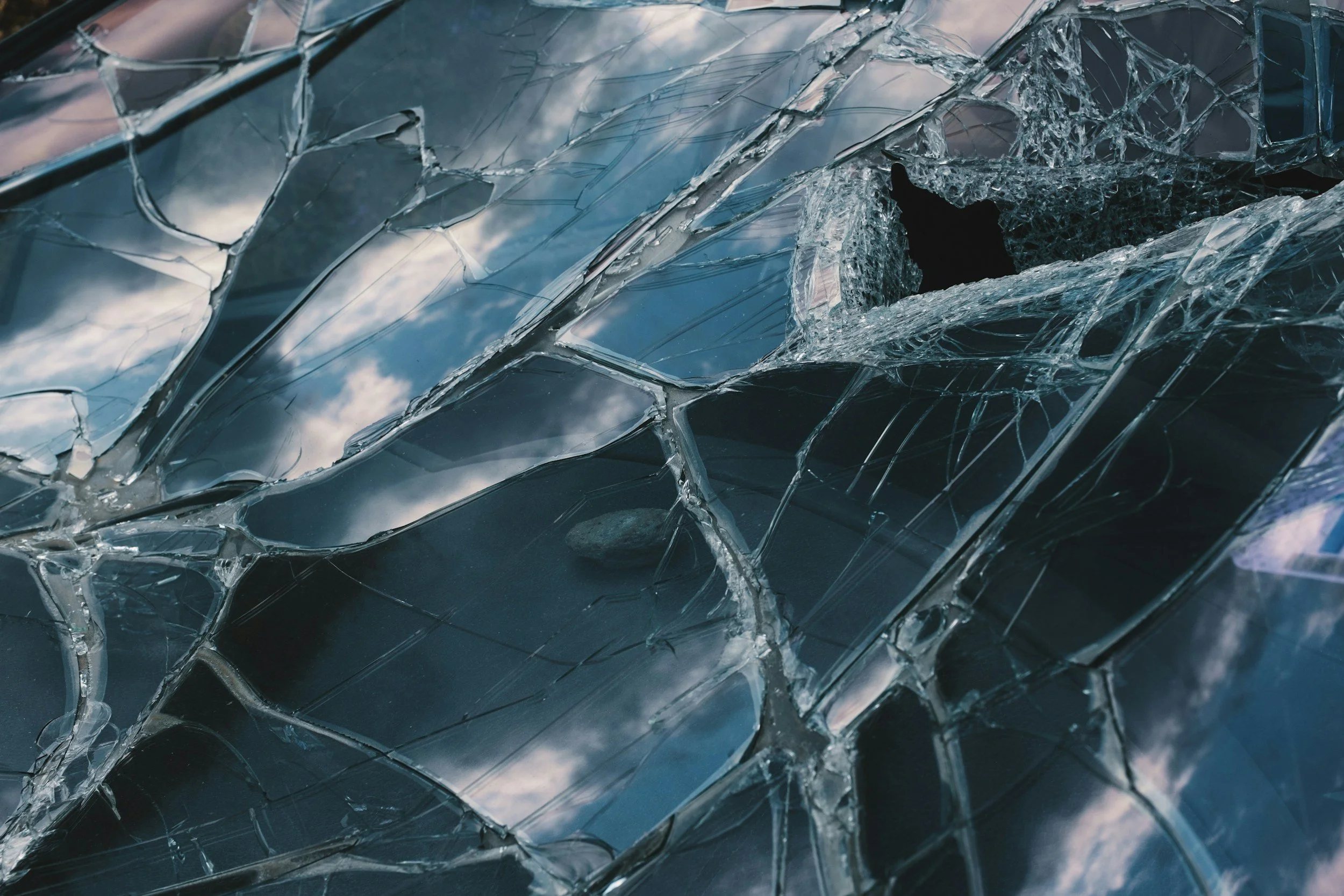
Trauma doesn't only wound. It can shatter the quiet assumptions that made the world feel safe and fair.
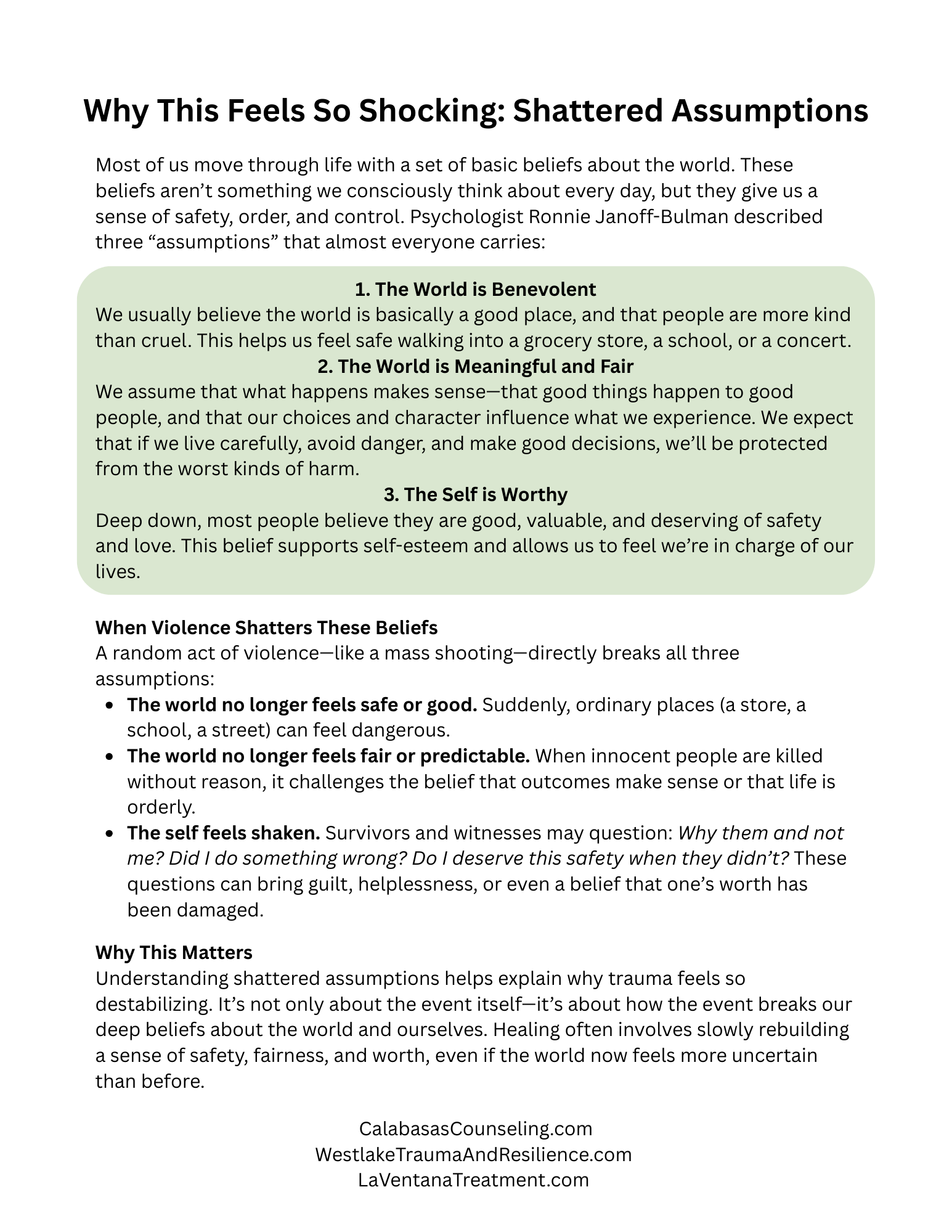
Most of us move through life with a set of basic beliefs about the world. These beliefs aren’t something we consciously think about every day, but they give us a sense of safety, order, and control. Psychologist Ronnie Janoff-Bulman described three “assumptions” that almost everyone carries:
-
We usually believe the world is basically a good place, and that people are more kind than cruel. This helps us feel safe walking into a grocery store, a school, or a concert.
-
We assume that what happens makes sense. We expect that good things happen to good people, and that our choices and character influence what we experience. We expect that if we live carefully, avoid danger, and make good decisions, we’ll be protected from the worst kinds of harm.
-
Deep down, most people believe they are good, valuable, and deserving of safety and love. This belief supports self-esteem and allows us to feel we’re in charge of our lives.
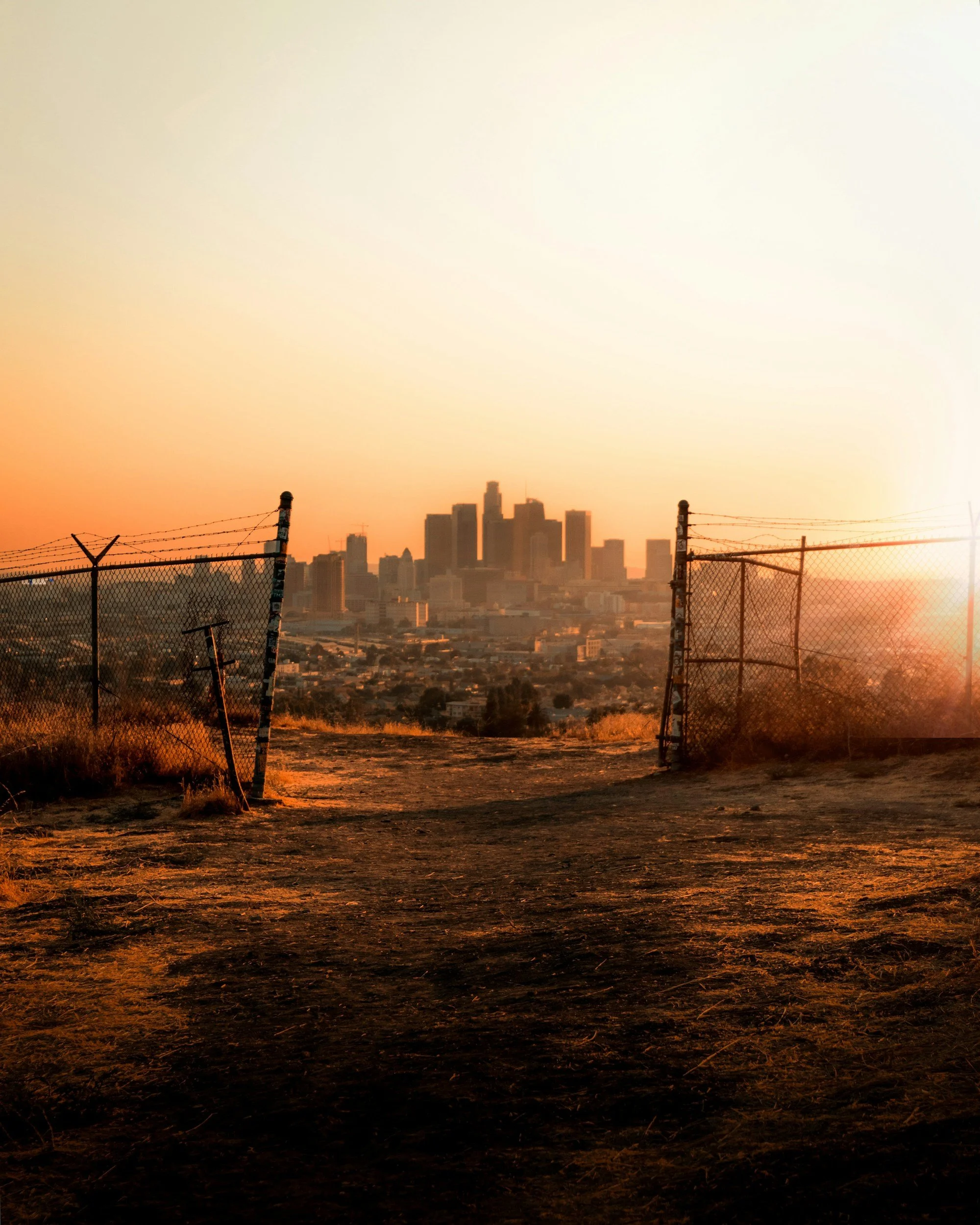
When Violence Shatters These Beliefs
A random act of violence, like a mass shooting, directly breaks all three assumptions:
The world no longer feels safe or good. Suddenly, ordinary places (a store, a school, a street) can feel dangerous.
The world no longer feels fair or predictable. When innocent people are killed without reason, it challenges the belief that outcomes make sense or that life is orderly.
The self feels shaken. Survivors and witnesses may question: Why them and not me? Did I do something wrong? Do I deserve this safety when they didn’t? These questions can bring guilt, helplessness, or even a belief that one’s worth has been damaged.
Why This Matters
Understanding shattered assumptions helps explain why trauma feels so destabilizing. It’s not only about the event itself: it’s about how the event breaks our deep beliefs about the world and ourselves. Healing often involves slowly rebuilding a sense of safety, fairness, and worth, even if the world now feels more uncertain than before.